Spring Activity Math Pages: Designing Engaging Educational Resources
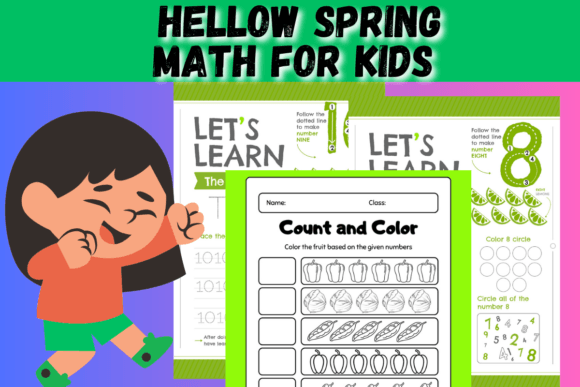
Transform your classroom into a vibrant hub of mathematical exploration with our comprehensive Spring Activity Math Pages for Kids resource. This meticulously crafted package is designed to captivate young minds and foster a love for mathematics through an array of engaging activities and resources, blending pedagogical effectiveness with compelling visual design.
The Intersection of Education and Visual Design
In modern educational resource development, design quality directly impacts learning outcomes. Our Spring Activity Math Pages for Kids demonstrate how thoughtful graphic design principles can transform standard worksheets into dynamic learning tools. The 20 high-quality puzzle pages utilize visual hierarchy, balanced composition, and age-appropriate typography to create materials that are both educationally rigorous and visually stimulating. This approach aligns with contemporary design trends that prioritize user engagement through clean aesthetics and intuitive information architecture.
Design Principles in Educational Materials
Effective educational design requires more than attractive layouts—it demands strategic application of visual communication principles. Our resource exemplifies several key design considerations:
- Visual Hierarchy: Clear differentiation between instructions, problems, and answer spaces guides the student's eye naturally through each activity
- Typography Selection: Readable, friendly typefaces that balance approachability with clear legibility for developing readers
- Color Palette: Spring-inspired colors that create thematic cohesion while maintaining sufficient contrast for accessibility
- White Space Management: Balanced margins and spacing that prevent cognitive overload and support focused learning
Practical Applications Beyond the Classroom
While designed for educational settings, the design principles embedded in these math pages offer valuable insights for broader creative projects:
Brand Identity Development: The consistent visual language across all 20 pages demonstrates how cohesive design systems strengthen recognition and trust—a principle applicable to logo design, packaging, and marketing materials.
Digital Product Design: The clean layout and intuitive navigation of these print-ready PDFs (formatted at 8.5x11 inches) provide excellent templates for designing digital interfaces where clarity and usability are paramount.
Editorial Design Inspiration: The balanced integration of text, illustrations, and white space offers lessons for creating engaging magazine layouts, educational publications, and instructional content across various media.
Design Evaluation Framework
When selecting or creating educational design assets, consider these professional evaluation criteria:
- Audience Alignment: Does the visual style match the developmental stage and interests of the target age group?
- Functional Clarity: Are instructions, content areas, and interactive elements immediately distinguishable?
- Brand Consistency: Does the design maintain visual cohesion across multiple pages or products?
- Production Quality: Are elements properly formatted for intended output (print, digital, or both)?
- Scalability: Can design elements be adapted for different contexts without losing integrity?
Integrating Quality Design Assets
For educators and designers alike, the Spring Activity Math Pages for Kids represent a valuable case study in creating purpose-driven design. The resource's success lies not just in its mathematical content but in how design choices—typography, spacing, illustration style, and color application—work together to reduce friction and increase engagement. This holistic approach to design thinking applies equally to creating effective social media graphics, website interfaces, or marketing collateral where user experience and clear communication are essential.
In an era where visual literacy is increasingly important, investing in well-designed educational materials pays dividends in both immediate learning outcomes and long-term aesthetic appreciation. Whether you're developing classroom resources, designing children's products, or creating instructional content, the principles demonstrated in this spring-themed math collection offer a blueprint for combining educational value with professional design quality. By prioritizing thoughtful visual communication, creators can develop materials that not only inform but also inspire—a principle that elevates any creative project from functional to exceptional.