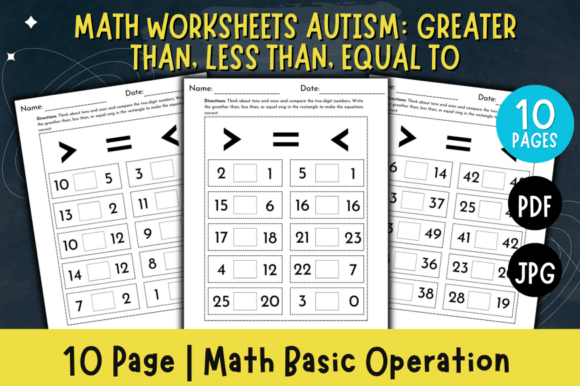
Math Comparisons: Greater Than, Less Than, Equal To
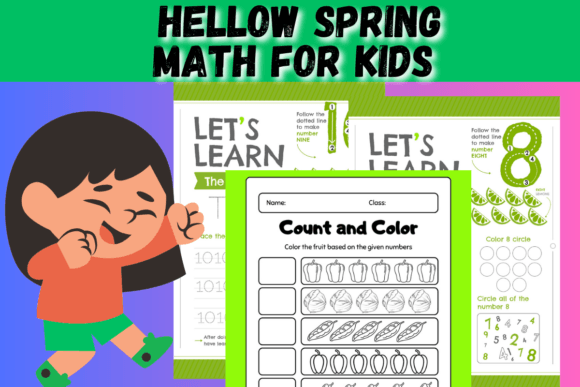
Mastering the concepts of greater than, less than, and equal to is fundamental, not just in mathematics, but as a metaphor for the comparative analysis we perform in design. When we evaluate typography, assess color palettes, or structure a layout, we are constantly measuring one element against another to achieve balance and hierarchy. This foundational skill, often taught through specialized worksheets, mirrors the designer's task of creating order and clarity from a sea of options, ensuring that every visual decision is intentional and effective.
The Visual Language of Comparison in Branding
In graphic design, the principle of comparison is essential for creating a strong brand identity. A logo must be greater in impact than its surrounding elements to stand out. The visual weight of a headline must be carefully balanced against body copy, and the vibrancy of a primary color must be weighed against a neutral background. This isn't mere preference; it's a calculated use of visual hierarchy to guide the viewer's eye and communicate the brand's core message with precision and professionalism.
Consider these applications where the logic of comparison is key:
- Logo Design: Ensuring the mark is greater in memorability and simplicity than competing visual noise.
- UI/UX Design: Creating clear pathways where primary action buttons are visually "greater" than secondary options.
- Marketing Materials: Balancing headline size, imagery, and white space so that the offer is the most compelling element.
- Packaging Design: Making the product name and key benefit greater in prominence than regulatory text or decorative patterns.
Practical Frameworks for Design Evaluation
To apply this comparative mindset, designers can adopt a simple framework for evaluating creative assets. Ask: Is this typeface greater in readability for this context than another? Is this color palette equal in its alignment with the brand's emotional goals? Is the white space in this layout less than what's needed to prevent a cluttered feel? This systematic approach transforms subjective choice into a strategic design workflow, leading to more consistent and effective outcomes across all platforms, from social media graphics to editorial layouts.
Ultimately, the discipline of comparing and contrasting elements—whether in a math worksheet or a design file—is about building a coherent system. Every choice in typography, composition, and color should be justified through this lens, ensuring that the final product is not only aesthetically pleasing but also communicates its intended message with absolute clarity. By embracing this principle of thoughtful comparison, designers and creators can elevate their work, ensuring every visual decision is greater in purpose and impact.