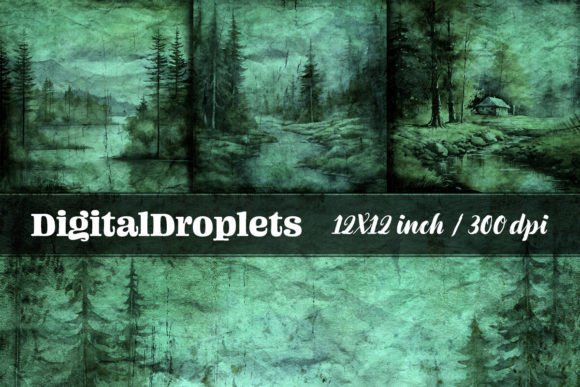
Old Woodlands Vol.1 | Collection: A Design Asset for Authentic Texture
Elevating Brand Identity and Visual Communication
The choice of background texture is a fundamental component of visual hierarchy and brand personality. A carefully selected texture like those in the Old Woodlands Vol.1 | Collection can instantly communicate values of heritage, nature, craftsmanship, and resilience. This makes it exceptionally useful for branding projects in sectors like artisanal goods, outdoor apparel, eco-tourism, or boutique publishing. By integrating these woodland papers into logo presentations, business cards, or packaging mockups, designers can create a cohesive and immersive brand experience that feels grounded and authentic.
Practical Applications Across Creative Projects
The true value of a design asset lies in its adaptability. This collection's 300dpi JPEG files are engineered for high-quality print and digital output, making them suitable for a wide array of applications:
- Print Design: Ideal for scrapbooking, junk journaling, card making, gift wrap, and creating unique washi tape strips or envelope liners.
- Digital Marketing: Use as backgrounds for social media graphics, website banners, blog headers, or digital invitations to add warmth and texture to online content.
- Editorial and Presentation: Create striking layouts for magazines, lookbooks, or professional presentations where a touch of organic elegance is required.
- Packaging and Merchandise: Develop distinctive product labels, tags, or merchandise designs that stand out on the shelf with a rustic, vintage appeal.
Integrating Textures into a Professional Design Workflow
When incorporating textured backgrounds like these, strategic implementation is crucial. To maintain readability and a clean visual hierarchy, consider layering them with solid-color panels or using them selectively as accent elements. Pairing these rustic textures with clean, modern typography creates a dynamic contrast that enhances legibility while preserving the desired aesthetic. Always ensure the texture's color palette complements the overall brand color scheme, using it to reinforce the mood rather than overwhelm the primary message. For UI or web design, using these papers as subtle background layers can add depth without compromising user experience.
Tips for Effective Selection and Use
- Define the Goal: Is the objective to evoke nostalgia, warmth, or adventure? Let the project's narrative guide your texture choice.
- Prioritize Consistency: When using multiple papers from a collection, ensure they share a similar tonal quality to maintain brand cohesion.
- Test for Scalability: Always check how a texture looks at various sizes, from a small social media icon to a full-page print layout.
- Blend and Modify: Don't hesitate to adjust saturation, overlay blending modes, or apply subtle filters to make the asset perfectly suit your project's color palette.